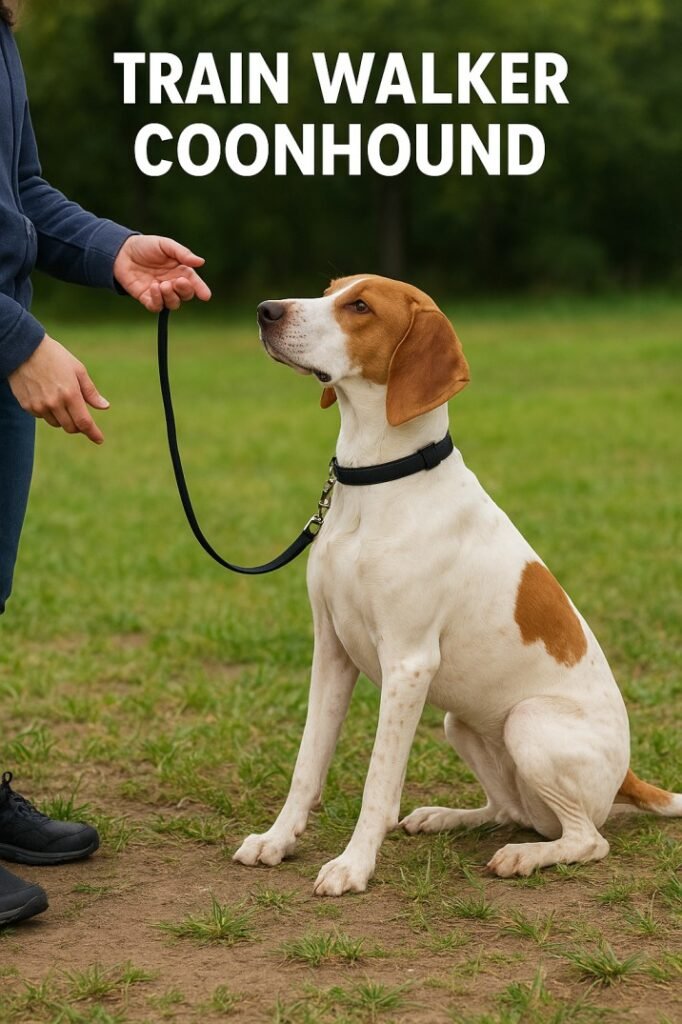

The Walker Coonhound is a popular and intelligent breed, admired for its hunting skills, loyalty, and boundless energy. Known for their sharp noses and tracking ability, these dogs have a long history as hunting companions, but they also make wonderful family pets when properly trained. If you are wondering how to train a Walker Coonhound, you’ve come to the right place. In this article, we’ll cover training techniques, challenges, and tips to ensure your Coonhound becomes a well-mannered, happy companion.
Understanding the Walker Coonhound
Before starting any training, it’s important to know what makes the Walker Coonhound unique. Originally bred for hunting raccoons and other small game, they are driven by their scenting instincts and remarkable stamina. They are independent thinkers, which can sometimes make them a bit stubborn.
Some key traits that affect training include:
- High energy levels – Walker Coonhounds require daily exercise and mental stimulation.
- Strong prey drive – Their natural hunting instinct means they may chase small animals if not trained.
- Social nature – They thrive on companionship and don’t like being left alone for long.
- Vocal tendencies – They are known for their loud baying and barking, which may need managing.
Understanding these traits will help you set realistic expectations during training.
Start Training Early
The best time to train a Walker Coonhound is during puppyhood, but adult dogs can also learn with consistency and patience. Start with basic commands such as sit, stay, come, and heel. Early training establishes boundaries and helps control their natural curiosity.
- Socialization: Expose your puppy to different people, sounds, and environments. This helps reduce anxiety and prevents aggressive or fearful behavior.
- House Training: Be patient and use crate training for effective potty habits. Coonhounds are smart, but they need consistency.
Effective Training Methods for Walker Coonhounds
- Positive Reinforcement
Walker Coonhounds respond best to rewards like treats, toys, and praise. Each time your dog follows a command, reward them immediately to reinforce the behavior. - Clicker Training
Using a clicker helps mark desired behaviors at the right moment, making it easier for your Coonhound to connect action with reward. - Leash Training
Due to their strong prey drive, leash manners are critical. Start with short walks and use commands like heel and leave it to discourage pulling or chasing scents. - Obedience Classes
Consider enrolling your Walker Coonhound in obedience classes. These structured sessions provide professional guidance and allow your dog to socialize with others.
Addressing Common Training Challenges
- Stubbornness: Walker Coonhounds can be independent, so patience is key. Short, fun training sessions prevent boredom.
- Barking/Howling: These dogs are naturally vocal. Teach the quiet command and reward silence to manage noise levels.
- Chasing Instincts: Never let your Coonhound off-leash in unsecured areas. Train recall (come) using long leashes before trusting them in open spaces.
- Separation Anxiety: Because they are pack-oriented, Walker Coonhounds may struggle when left alone. Gradually train them to feel comfortable with short periods of independence.
Exercise and Mental Stimulation
Training alone won’t keep your Walker Coonhound satisfied. They need plenty of physical activity and mental challenges:
- Daily Walks & Runs: At least one to two hours of exercise helps release their energy.
- Scent Games: Hide treats or toys and let them use their nose to find them.
- Puzzle Toys: Mental stimulation prevents boredom and destructive behavior.
- Agility Training: Many Walker Coonhounds excel in agility sports, which combine obedience with exercise.
Consistency is Key
The secret to training a Walker Coonhound successfully lies in consistency. Use the same commands, maintain a routine, and avoid punishing your dog. Harsh training methods will only create fear and mistrust, which makes training even harder.
Why Training Matters
Training your Walker Coonhound isn’t just about obedience; it improves your bond with your pet. A trained dog is easier to manage, safer around people and other animals, and more enjoyable as a companion. With proper guidance, your Coonhound’s natural intelligence and loyalty will shine through.
Final Thoughts
The Walker Coonhound may be a hunting breed at heart, but with the right approach, they can also be loving family dogs. Training requires patience, energy, and commitment, but the results are worth it. Focus on positive reinforcement, consistency, and plenty of exercise, and you’ll have a well-behaved companion who thrives both at home and outdoors.
If you’re ready to train your Walker Coonhound, remember that progress may take time, but with love and dedication, your dog will grow into a loyal, obedient, and happy member of your family.