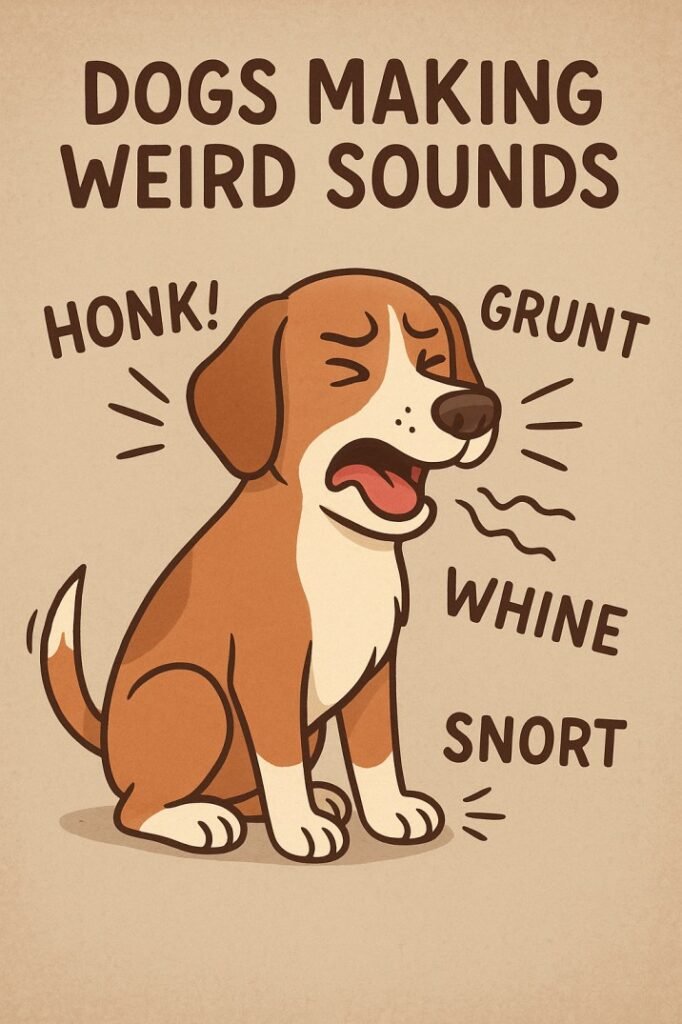

If you’re a dog parent, you’ve probably heard your furry friend make some odd noises from time to time. From grunts and groans to reverse sneezes and howls, dogs making weird sounds can be both funny and concerning. While many of these noises are completely normal, some can signal an underlying issue that needs attention. In this article, we’ll break down the common reasons why dogs make unusual sounds, what those sounds might mean, and when it’s best to call your veterinarian.
Why Do Dogs Make Weird Sounds?
Dogs use vocalizations and body language to communicate with their owners and the world around them. Weird sounds can come from the mouth, nose, or throat, and often happen during play, sleep, or when your dog is excited. Just like humans sneeze, cough, or snore, dogs also have their quirks. However, sometimes unusual noises could be a symptom of discomfort, breathing issues, or even illness.
Common Weird Sounds Dogs Make
1. Reverse Sneezing
One of the most common odd noises is reverse sneezing. This happens when a dog suddenly makes rapid inhaling sounds, often accompanied by a stiff posture and wide eyes. It sounds like snorting or honking and can be alarming to new pet parents. Reverse sneezing is usually harmless and caused by nasal irritation, allergies, or excitement.
2. Grunting and Groaning
If your dog flops down on the couch and lets out a grunt, don’t worry—it’s often a sign of contentment. Dogs groan or grunt when they’re relaxed, tired, or stretching. However, persistent groaning during movement could indicate joint pain or discomfort, especially in older dogs.
3. Whining and Whimpering
Whining is a way for dogs to seek attention or express anxiety. Puppies whimper when separated from their mother, while adult dogs may whine when left alone, bored, or in pain. If your dog suddenly starts whining more than usual, it’s worth monitoring their behavior closely.
4. Snorting and Snoring
Flat-faced breeds like Pugs, Bulldogs, and Shih Tzus are notorious for making snorting and snoring sounds due to their short nasal passages. While these noises are normal, excessive snorting can sometimes point to respiratory problems.
5. Coughing or Hacking
A dog’s cough can sound like gagging, honking, or hacking. Occasional coughing might be due to swallowing water the wrong way, but frequent coughing could signal kennel cough, heart disease, or throat irritation.
6. Howling and Moaning
Some breeds, such as Huskies and Beagles, are natural howlers. Dogs howl to communicate with other dogs, respond to sounds like sirens, or simply express excitement. Moaning, on the other hand, can be a sign of relaxation or mild discomfort.
When Weird Sounds Are Normal
- During sleep: Dogs dream just like humans and may whimper, grunt, or bark softly while sleeping.
- After exercise: Heavy panting or snorting can occur after playtime but should settle quickly.
- When excited: Some dogs squeal or yip when greeting their owners.
As long as these sounds are occasional and your dog seems otherwise healthy, there’s usually no reason to worry.
When to Be Concerned
Sometimes, weird sounds may point to a health issue. Contact your vet if you notice:
- Persistent coughing or gagging that doesn’t improve.
- Difficulty breathing or labored breaths.
- Sudden changes in vocalization, like a dog that usually doesn’t whine suddenly crying often.
- Accompanied symptoms, such as lethargy, loss of appetite, or nasal discharge.
Conditions like collapsed trachea, respiratory infections, or allergies may require medical care.
What You Can Do at Home
If your dog is making weird sounds but seems fine otherwise, here are a few things you can try:
- Stay calm: Dogs can pick up on your anxiety.
- Check their environment: Remove possible irritants like smoke, dust, or strong scents.
- Monitor frequency: Keep a record of when and how often the sounds occur.
- Record a video: This can help your vet diagnose the issue more accurately.
Preventing Health Issues
While you can’t prevent every weird sound your dog makes, you can reduce risks by:
- Maintaining a healthy weight to avoid breathing strain.
- Regular vet check-ups to catch early signs of illness.
- Using a harness instead of a collar for dogs prone to tracheal issues.
- Keeping up with dental care since oral discomfort can also cause odd noises.
Final Thoughts
Dogs making weird sounds is a common experience for pet owners, and most of the time, these noises are harmless quirks that make our furry friends even more lovable. However, being attentive to unusual or persistent sounds is important for your dog’s health. By understanding what’s normal and what’s not, you can provide better care and ensure your pup stays happy and healthy.
If you ever feel unsure, trust your instincts and consult your veterinarian. After all, when it comes to your dog’s wellbeing, it’s always better to be safe than sorry.