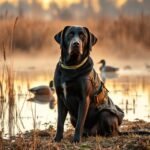
Dogs have an extraordinary sense of smell, far beyond what humans can imagine. With over 220 million scent receptors compared to our mere 5 million, dogs are able to detect odors in concentrations as low as one part per trillion. This incredible olfactory ability has led researchers to investigate whether dogs can detect illnesses like diabetes, infections, and even cancer. But the big question many pet owners ask is: can untrained dogs smell cancer?
In this article, we’ll explore the science behind canine scent detection, real-life examples, and whether untrained dogs can truly pick up on cancer in humans.
The Science Behind a Dog’s Nose
To understand if untrained dogs can smell cancer, it helps to look at how a dog’s nose works.
- Olfactory receptors: Dogs possess hundreds of millions of scent receptors, allowing them to detect odors we can’t even imagine.
- Olfactory bulb: The part of a dog’s brain dedicated to smell is proportionally 40 times larger than that of humans.
- Vomeronasal organ: Dogs have an additional scent-detecting organ that helps them identify pheromones and subtle chemical changes.
This sensory superpower means dogs can pick up on volatile organic compounds (VOCs). Cancer cells produce unique metabolic waste, releasing VOCs into the bloodstream, urine, and breath. Dogs can smell these changes even before medical tests reveal them.
Trained vs. Untrained Dogs
Most studies on dogs detecting cancer involve specialized training. For instance, research has shown that dogs trained in scent detection can identify lung, breast, prostate, and skin cancers with impressive accuracy.
But what about the average pet at home? Can untrained dogs smell cancer naturally?
The answer is complex:
- Yes, dogs may notice something is wrong. Many anecdotal stories describe pet dogs persistently sniffing, pawing, or licking at a mole, breast, or area of the body that later turned out to have cancer.
- No, untrained dogs are not reliable medical detectors. While dogs might pick up on unusual odors, they lack the consistency, training, and focus needed for accurate cancer detection.
So while your untrained dog might alert you to changes, it should never replace professional medical screening.
Real-Life Stories of Dogs Detecting Cancer
There are many remarkable accounts of untrained dogs seeming to detect cancer in their owners:
- Persistent Sniffing at a Mole – A woman reported her Labrador constantly sniffing and nudging at a mole on her leg. After she got it checked, it turned out to be melanoma.
- Refusing to Leave the Owner’s Side – In some cases, dogs became unusually protective or clingy around owners who were later diagnosed with breast or lung cancer.
- Sniffing Breath and Chest Areas – Untrained dogs have been reported to repeatedly smell their owner’s breath or chest, which later correlated with lung cancer findings.
While these stories are compelling, they are anecdotal. Science supports the idea that dogs can smell cancer, but consistency is only achieved with structured training.
How Dogs React When They Smell Cancer
Untrained dogs may not give obvious “signals” like trained medical detection dogs, but their behavior can change noticeably. Some possible signs include:
- Persistent sniffing or licking at a particular area of the body.
- Pawing, nudging, or whining when near the affected area.
- Becoming more protective, anxious, or restless.
- Unusual changes in attention toward their owner.
While these behaviors don’t always mean cancer, they can serve as an early clue that something is different.
Why Untrained Dogs Can Sometimes Detect Cancer
There are a few reasons why even untrained dogs may sense cancer:
- Strong VOCs – Some cancers produce particularly strong volatile organic compounds that even untrained noses can detect.
- Natural Instincts – Dogs are highly attuned to changes in their environment, including shifts in their owner’s body odor, sweat, or breath.
- Behavioral Cues – Dogs are experts at reading human body language. If cancer makes a person act differently due to fatigue, stress, or pain, dogs may pick up on it.
This doesn’t mean every untrained dog can detect cancer, but it explains why so many stories exist.
Should You Trust Your Dog’s Instincts?
If your dog persistently pays unusual attention to a specific area of your body, it’s worth taking seriously. While it doesn’t guarantee cancer, it’s always wise to get checked by a doctor. Medical professionals emphasize that dogs should never replace proper screenings, but they can sometimes act as an early warning system.
Regular medical checkups, cancer screenings, and listening to your body remain the most reliable ways to detect health issues.
The Future of Dogs in Cancer Detection
Trained cancer-sniffing dogs are already being used in research and experimental clinical settings. In the future, they may complement medical testing. Some organizations are exploring ways to use dogs in airports, hospitals, and even at-home detection services.
Untrained dogs, however, will always remain more of an “early hint” than a diagnostic tool. Their natural instincts are impressive but not foolproof.
Final Thoughts
So, can untrained dogs smell cancer? The answer is: sometimes, yes, but not reliably. Their powerful noses and sensitivity to changes in their owner’s body can sometimes detect cancer-related odors. However, only trained dogs can consistently identify cancer with accuracy.
If your pet suddenly becomes fixated on a certain spot or starts behaving strangely around you, don’t panic—but don’t ignore it either. Listen to your dog, but always confirm with a doctor.
Dogs may never replace medical technology, but their love, loyalty, and incredible noses remind us just how remarkable our four-legged friends truly are.