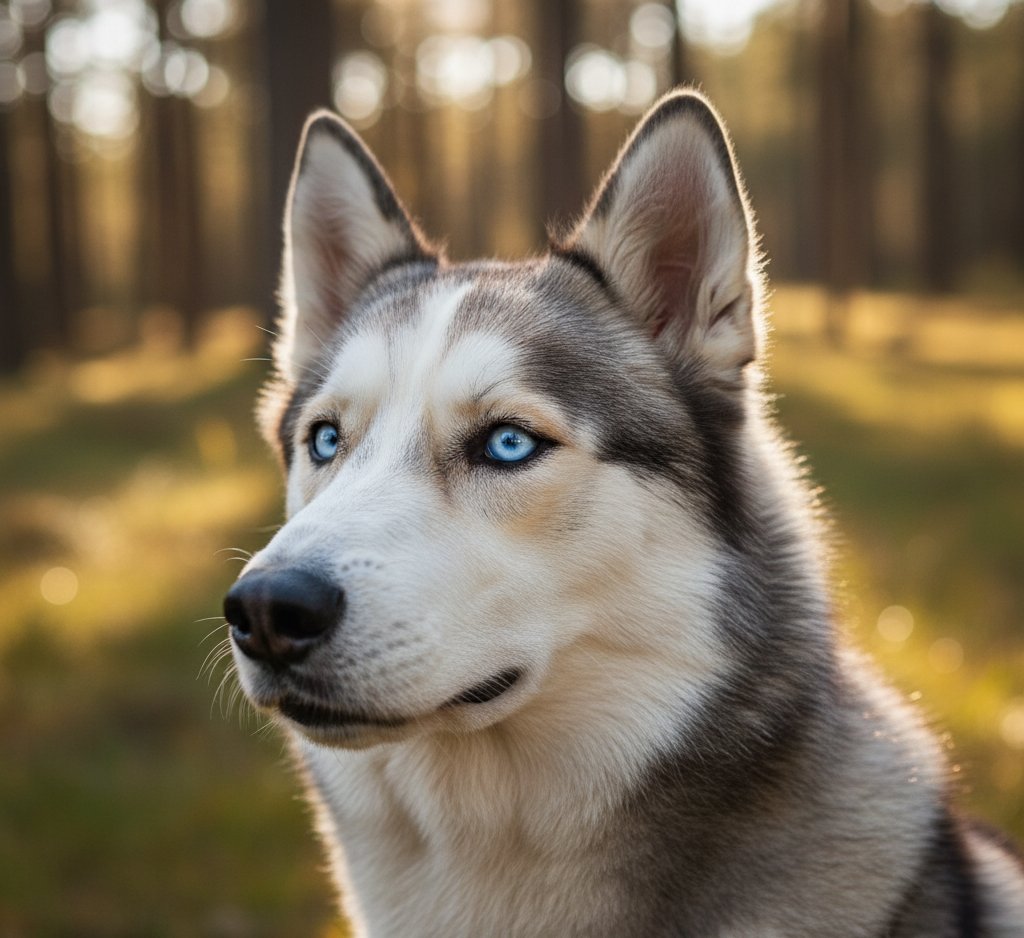

When you see a blue eyed dog, it’s hard not to stop and admire their striking gaze. Those piercing, crystal-blue eyes often stand out and give a dog a unique and almost mystical appearance. While brown eyes are the most common in dogs, some breeds naturally carry the blue-eyed gene. Others may develop it due to genetics, coat color, or even health conditions.
In this article, we’ll explore everything you need to know about blue eyed dogs — from the breeds that commonly have them, to the genetics behind blue eyes, their care, and the myths surrounding them.
Why Do Some Dogs Have Blue Eyes?
Most dogs have brown eyes because of the pigment melanin. Blue eyes occur when there’s less melanin in the iris, causing light to scatter and give a blue appearance. This is similar to why the sky looks blue.
There are three main reasons why a dog may have blue eyes:
- Genetics – Some breeds carry specific genes that naturally produce blue eyes.
- Merle Gene – Found in breeds like Australian Shepherds and Border Collies, this gene can cause patches of diluted pigment, affecting both coat and eye color.
- Albinism or Health Issues – Rarely, eye color changes can indicate health problems like cataracts or vision issues, but true blue eyes from birth are usually healthy.
Popular Blue Eyed Dog Breeds
While any dog can carry the gene for blue eyes, certain breeds are more famous for this trait. If you’ve always dreamed of owning a blue eyed dog, here are the most popular breeds:
1. Siberian Husky
Perhaps the most iconic blue eyed dog, Siberian Huskies are known for their ice-blue eyes that perfectly complement their thick coats. Some even have heterochromia (one blue eye and one brown eye), which adds to their striking appearance.
2. Australian Shepherd
Aussies often inherit the merle gene, which gives them mottled coats and vivid blue eyes. Sometimes they may have one blue and one brown eye, or even marbled eyes with both colors.
3. Border Collie
Highly intelligent and energetic, Border Collies occasionally have blue eyes, especially those with merle or tricolor coats.
4. Dalmatian
Though rare, some Dalmatians carry blue eyes. However, breeders often watch carefully because blue-eyed Dalmatians can sometimes be linked with deafness.
5. Great Dane
Merle and harlequin Great Danes often showcase blue eyes. Their giant size paired with icy eyes creates an unforgettable impression.
6. Catahoula Leopard Dog
Known for their spotted coats and unusual eyes, Catahoulas often have bright blue eyes, sometimes mismatched with amber or brown.
7. Alaskan Klee Kai
A smaller relative of the Siberian Husky, the Alaskan Klee Kai often inherits striking blue eyes, giving them a “mini Husky” appearance.
Are Blue Eyes in Dogs Rare?
Yes and no. While most dogs worldwide have brown eyes, blue eyed dogs are not uncommon in breeds like Huskies and Aussies. However, outside of these breeds, seeing a dog with naturally blue eyes is considered rare and unique.
Health Considerations for Blue Eyed Dogs
Blue eyes in dogs are usually harmless if caused by genetics. However, there are a few things to keep in mind:
- Deafness Risk – Breeds like Dalmatians or white-coated dogs with blue eyes sometimes have a higher risk of congenital deafness.
- Eye Sensitivity – Blue eyes may be more sensitive to sunlight, so owners should watch for squinting or discomfort outdoors.
- Vision Issues – If a dog’s eyes suddenly turn cloudy blue later in life, it may indicate cataracts, glaucoma, or other eye conditions requiring a vet’s attention.
Myths About Blue Eyed Dogs
There are many myths surrounding blue eyed dogs, but most are simply misconceptions:
- Myth 1: Blue eyed dogs are blind.
False. While certain conditions may cause blindness, naturally blue eyes in dogs do not mean poor vision. - Myth 2: Blue eyes make dogs aggressive.
False. Eye color has no effect on temperament or behavior. - Myth 3: All Huskies have blue eyes.
False. Huskies can also have brown, green, or mixed-colored eyes.
How to Care for a Blue Eyed Dog
Caring for a blue eyed dog isn’t much different from caring for any other dog, but a few extra tips can help:
- Eye Checkups – Schedule regular vet visits to ensure your dog’s eyes are healthy.
- Sun Protection – If your dog spends time outside, provide shade, as blue eyes may be more light-sensitive.
- Proper Breeding Awareness – If you’re buying from a breeder, ensure they practice ethical breeding to avoid health problems associated with the merle gene.
- Balanced Diet – Good nutrition supports overall health, including eye health.
Should You Get a Blue Eyed Dog?
A blue eyed dog will always turn heads, but choosing a dog should be about more than appearance. Before adopting or buying, consider:
- The breed’s energy levels and exercise needs.
- Grooming requirements for double-coated dogs like Huskies and Aussies.
- Potential health concerns linked with coat and eye color.
If you can meet their needs, having a blue eyed dog can be a rewarding and beautiful experience.
Conclusion
A blue eyed dog is more than just a pretty face — their unique eyes tell a story of genetics, breed history, and individuality. Whether it’s the icy gaze of a Siberian Husky or the mottled eyes of an Australian Shepherd, blue-eyed dogs stand out in any crowd.
While rare in most breeds, their beauty is undeniable, and with proper care, they can live happy, healthy lives. If you’re lucky enough to share your home with a blue eyed dog, you’ll know just how special that bond feels every time they look at you.